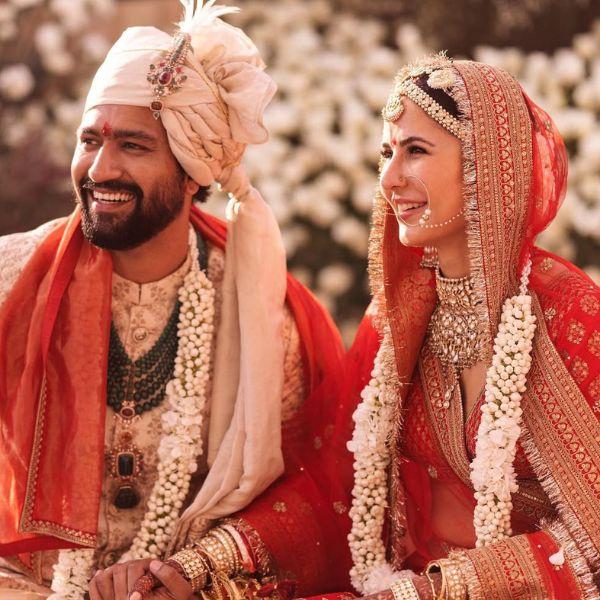
A sacred legacy: Inside the journey of the bridal nath across centuries
Rooted in ancient belief and refined by royal patronage, the nath remains one of the most evocative symbols of Indian bridal adornment.


Most Indian adornments and bridal jewels carry deep meanings within them, especially their history and cultural significance. One such lovely piece is the nath. Resting delicately on the curve of the nose, and long before it became a bridal signature, the nath was a marker of wealth, spirituality, and feminine power, with its story stretching back over four millennia. This is the story of the bridal nath, from its ancient origins and royal legacy to its regional expressions, and its enduring place in the modern bridal trousseau.
A tradition older than time
Archaeological and literary references trace nose ornaments back nearly 4,000 years to the Middle East, where they were mentioned in ancient texts as symbols of prosperity and social standing. In these times, nose jewellery was often gifted to women as a display of wealth, much like heirloom necklaces or armlets. Whilst nose-pins had existed in India, it was during the Mughal era in the 16th century, that the nath’s jewellery aesthetic began to favour intricate craftsmanship, precious gemstones, and a heightened sense of ornamentation. The nose ring, once understated, transformed into a statement piece, often embellished with pearls, uncut diamonds, and delicate chains that traced the planes of the face. Over time, the nath was absorbed into Indian bridal customs, where it took on layered meanings ranging from the spiritual and cultural to the deeply personal.
In Indian culture, jewellery is never merely decorative, and the nath is no exception. Traditionally worn on the left nostril, it has long been associated with marital status, signalling a woman’s transition into marriage. But its symbolism runs deeper than social markers. For Hindu brides, the nath is often seen as a tribute to Goddess Parvati: the embodiment of devotion, fertility, and conjugal harmony. In many depictions, Parvati is shown wearing a nose ornament, reinforcing its association with auspiciousness and marital bliss. In her form as Kanyakumari, a natural diamond nose jewel is believed to gleam from India’s southernmost tip, further cementing the nath’s sacred resonance.
The nath has also been linked to protection, as folklore across regions suggests that the ornament shields the bride from the evil eye, acting as both adornment and amulet.
Ancient beliefs and Ayurvedic wisdom
Interestingly, the placement of the nath is not arbitrary. In Ayurveda, the left nostril is believed to be connected to the female reproductive system. Wearing a nose ring on this side is thought to stimulate a pressure point that can help ease menstrual discomfort and support childbirth. In Maharashtrian culture especially, this belief is deeply ingrained, with the bridal nath seen as both a symbolic and therapeutic ornament.
These health-related associations lend the nath a rare duality: it is at once deeply ornamental and quietly functional, a piece of jewellery that honours the body as much as it adorns it.
Royal roots and the rise of popularity
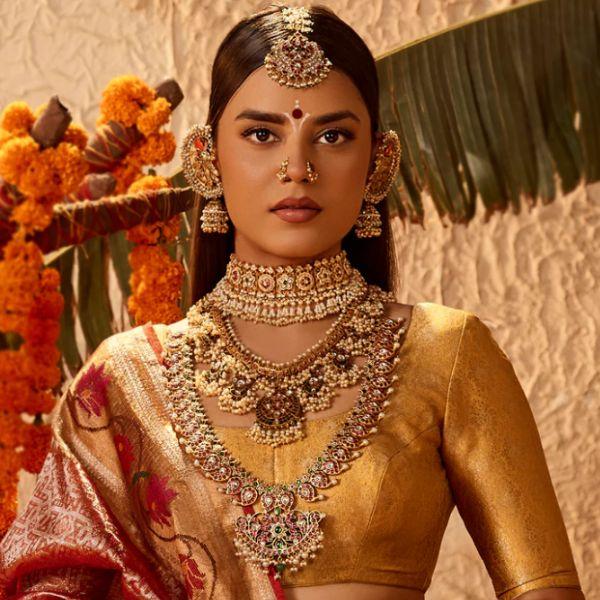
Whilst nose jewellery was traditionally worn across all communities, it was royal patronage that elevated the nath into an emblem of power and prestige. Maratha queens were often portrayed wearing elaborate, crescent-shaped naths crafted in gold and studded with pearls or diamonds. These designs were not merely decorative; they signified strength, sovereignty, and regal authority.
Over time, the association with royalty lent the nath an aspirational quality. What once marked noble lineage gradually became an integral element of bridal finery, allowing brides to step into a legacy of dignity and grace.
Regional nath styles
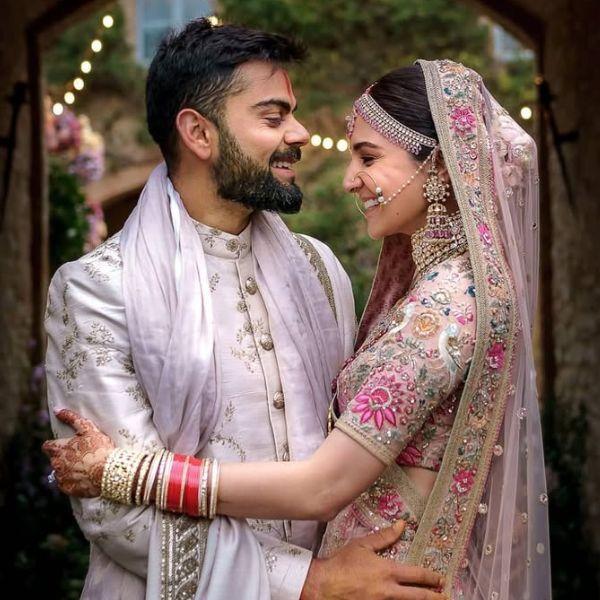
India’s cultural diversity is perhaps best reflected in the many forms the nath takes across regions. Each style tells its own story, shaped by local traditions, materials, and aesthetics.
For instance, the Maharashtrian nath is often crescent-shaped and known as the Brahmani or Peshwai nath and is traditionally crafted in gold and adorned with pearls, rubies, or diamonds. The Rajasthani nath is bold, opulent, and unapologetically dramatic, typically large and heavily gem-encrusted. Often worn as part of the solah shringar (the sixteen adornments of a bride) it frequently features a chain linking the nose ring to the ear or hair. The North Indian nathni is characterised by a delicate hoop attached to a fine chain, adding movement and softness to the bridal look. The Bengali Phul is a flower-shaped stud, often crafted in gold or set with natural diamonds, and the South Indian balis are simple hoops, sometimes embellished with pearls or gemstones. Konkani Mukhuttis are unique in their symmetry, consisting of small studs worn on both nostrils, often crafted in gold or diamonds.
From status symbol to style statement
Historically, the size and intricacy of a nath often reflected a family’s wealth and social standing. Larger designs signalled nobility, while simpler forms denoted everyday wear. Today, those hierarchies have softened. The modern bridal nath is less about status and more about self-expression. For many brides, the nath is also deeply emotional, as it is often passed down through generations or chosen as a keepsake to be worn on anniversaries or festivals.
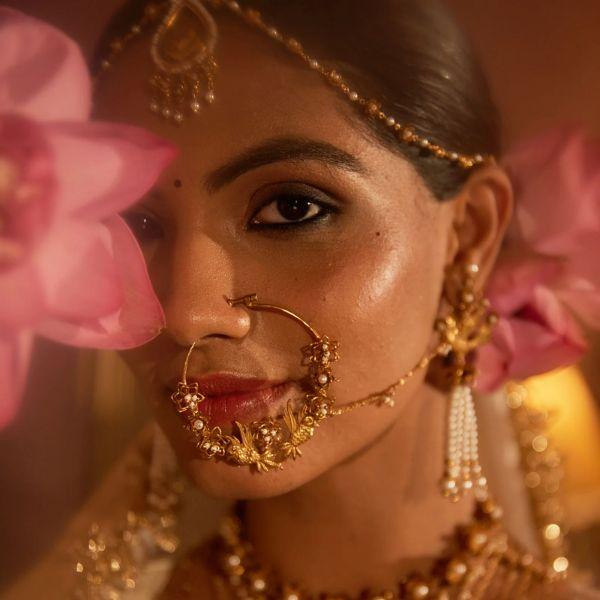
Contemporary brides are reimagining the nath in myriad ways: be it pairing antique heirlooms with minimalist lehengas, opting for diamond-studded micro-naths, or choosing detachable chains for versatility. In an age where bridal fashion is constantly evolving, the nath endures because it embodies contradiction beautifully. It is delicate yet powerful, ancient yet adaptable, symbolic yet stylish.
More than jewellery, the bridal nath is a cultural constant; shaped by history, regional identity, and the sacred rituals of marriage.
Lead image: Deepika Padukone/Instagram
Also read: Real diamonds, real advice: A mother’s legacy of love
Also read: Soft pink blushes that flatter all bridal looks with their delicate hues
.......Advertisement....

A Bumble match in Singapore, a Mykonos proposal, and a dreamy wedding in Vietnam
Disha and Partheban’s love story has always crossed borders.
They joked they would marry each other if they stayed single, and years later, they did
Manasi and Sundaresh’s intimate Mumbai wedding brought their Maharashtrian and Tamil roots together.
