
The cultural meaning behind the flowers Indian brides have loved for centuries
Here’s everything you didn't know about the significance of flowers at Indian weddings!


Flowers have long been at the heart of the Indian bridal tradition, carrying stories that span centuries and cultures. Their presence is more than decorative, forming a living connection between ancient customs and modern celebrations. For generations, brides have trusted these delicate blooms to communicate blessings, purity, and emotion, allowing nature itself to play a quiet yet powerful role in the wedding day.
A vibrant floral vocabulary across cultures
There is a rich world of wedding flowers to choose from—from frangipani and marigolds to roses and even chrysanthemums. Beyond their undeniable beauty, each bloom carries its own unique meaning and significance, adding deeper symbolism to the celebrations.
Jasmine is a symbol of love, grace, and blessings
Jasmine has become one of the most recognisable motifs of Indian bridal beauty. Associated with purity and love, it has been linked to divine blessings through age-old stories and is believed to bring prosperity while warding off negative energies. Its calming fragrance adds a sensory layer to the wedding experience, making it both symbolic and therapeutic. Over time, jasmine has shifted from being a mandatory ceremonial adornment to a mark of refined elegance. Brides now choose it not only for its cultural depth but also for its modern, minimal charm. Beyond jasmine, India’s floral landscape is rich and expressive.
Marigold
Marigolds hold a special place in Indian weddings, cherished not just for their vibrant hue but for the deep symbolism they carry. Associated with auspicious beginnings, joy, and prosperity, these golden blooms are woven into everything from decor and garlands to sacred blessings. Their connection to the sun, fire, and positive energy lends them a spiritual resonance, while their bold colour and natural fragrance are believed to keep negativity at bay. Bright, warm, and full of life, marigolds truly set the tone for celebration.
Roses
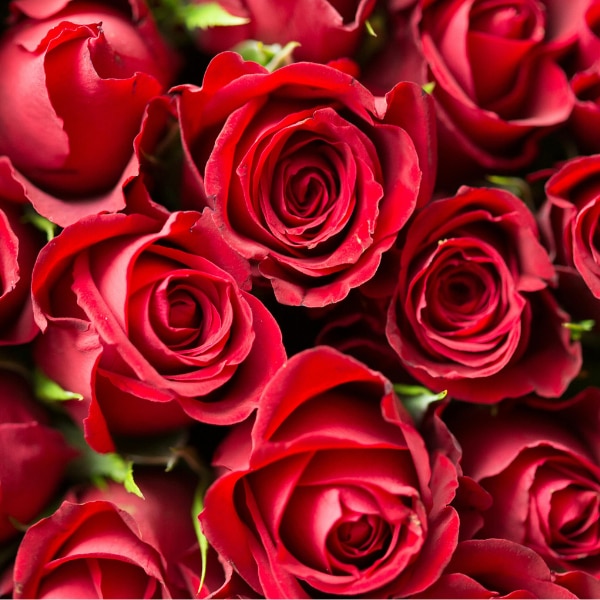
Roses bring an unmistakable romance to Indian weddings, lending bridal looks a touch of softness and drama. Symbolising love, passion, and devotion, red roses in particular speak of deep affection and timeless romance. They appear everywhere—from fragrant garlands and dreamy décor to the floral canopy that welcomes the bride’s entrance—and are often showered over the couple as a blessing for joy and good fortune. In some traditions, rose petals even find their way into wedding-night rituals or festive food and drinks, weaving the flower into moments of intimacy and celebration alike. Elegant, emotive, and eternally classic, roses set the mood for love in its most poetic form.
Chrysanthemums
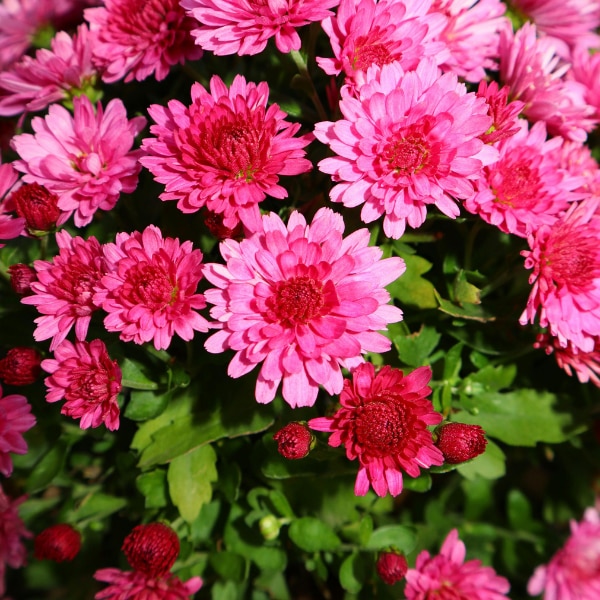
Chrysanthemums bring a quiet grace to Indian wedding décor, symbolising hope, joy, and the promise of a long, harmonious life together. White blooms evoke purity and peace, while cheerful yellow varieties are associated with prosperity and divine blessings. Often woven into garlands and floral arrangements, these flowers fill wedding spaces with warmth and positive energy, making them a subtle yet meaningful presence as the couple steps into their new chapter.
The enduring charm of the gajra
The earliest roots of floral adornment trace back to the Vedic era, when the Solah Shringar guided a bride’s transformation with sixteen forms of embellishment. Among these, the gajra held a place of prominence. Crafted from aromatic jasmine, it was wrapped around the bride’s braid as a symbol of auspiciousness, beauty, and serenity. This tradition continued through royal courts and regional customs, evolving into a hallmark of feminine grace. Even today, the ritual of visiting a bustling flower market remains a cherished moment for many brides, as they select the blooms that will accompany them into a new chapter of life.
Floral rituals that define the wedding day
Flowers also hold an integral role in rituals. The exchange of garlands, known as jaimala or varmala, is one of the most recognisable moments of an Indian wedding. Intricately woven with seasonal blooms, these garlands mirror the significance of exchanging rings in Western ceremonies, marking the couple’s union in a swirl of fragrance and colour. In some customs, the groom is adorned with jasmine flowers, as well, further weaving the floral narrative through both sides of the celebration.
The timelessness of blooms in modern bridal beauty
In today’s weddings, where aesthetics shift between grand and understated, the enduring appeal of flowers remains unwavering. They lend softness, symbolism, and sensory richness to every frame. For the bride, wearing them is both a tribute to heritage and a gesture of personal expression, bridging the distance between tradition and contemporary style.
As trends evolve and reinterpret the bridal experience, flowers continue to offer something constant. They honour cultural memory while adding beauty, meaning, and emotion, ensuring that every Indian bride carries a piece of timeless nature with her as she steps into her new life.
All images: Pexels
Also read: The juiciest tinted lip balms brides are reaching for in chilly weather
Also read: Channel goddess energy with this dreamy half-up bridal hairstyle
.......Advertisement....

What couples are doing before marriage to make relationships last
Couples today are focusing on building stronger relationships before they step into marriage.
14 years later, Anupama and Abhinav returned to Jaipur to get married where it all began
A female pundit, a live sitar performance, and a white wedding setup made this celebration unforgettable.
