Decoding The Real Meaning Behind 'Chemical-free' and 'Alcohol-free' Products
Why the terms 'alcohol-free', 'green', and 'chemical-free' are misnomers. And the real culprit behind bad skin. Brides Today takes a closer look at the products that are selling like hotcakes just because they project a rosy picture.


Sukanya Chatterjee, a software engineer, recently suffered from a terrible bout of breakouts on her arms and face and was quick to consult a dermatologist for the same. What followed was a series of consultations after which Sukanya realised she’d been using the wrong kind of products for her skin type. While discussing her case with us, she mentioned how she only used organic and natural skincare and cosmetic products. What she did not factor in is that a lot of the brands she used were using alcohol as an ingredient in their products and her skin, unfortunately, did not take well to it. We set out to find if alcohol was really the culprit.
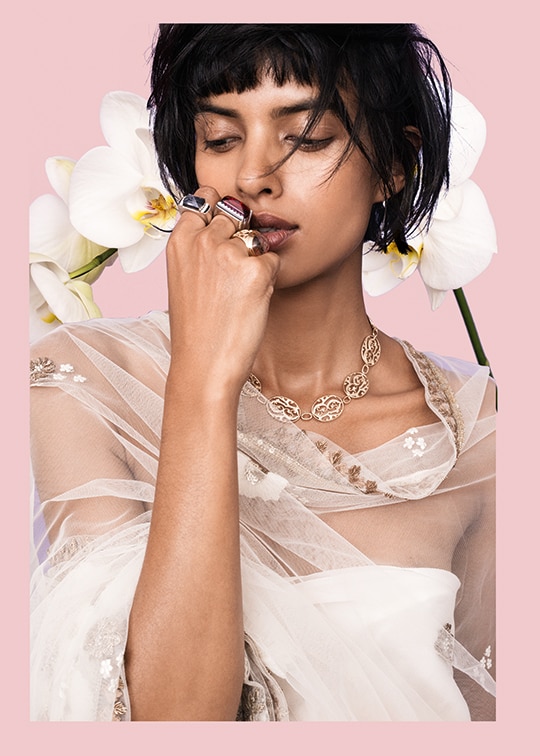
Dupatta: Anju Modi
Necklace and rings: Baccarat
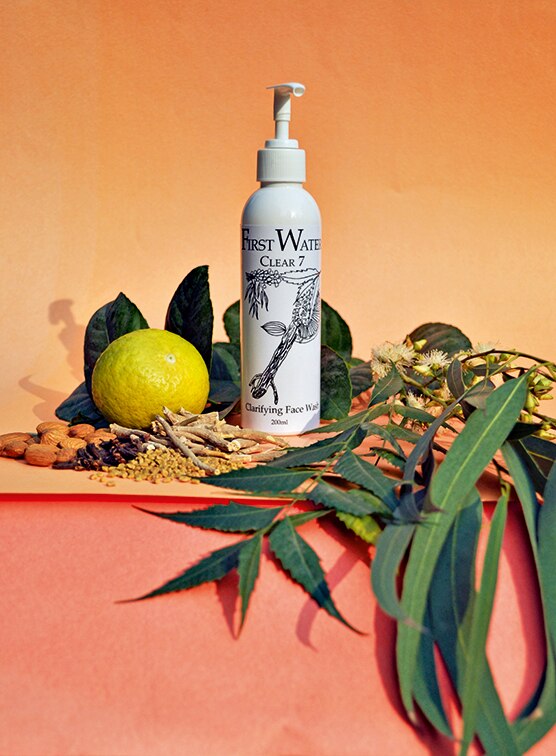
“Alcohol is commonly understood to be ethanol. It is often used as a solvent or carrier for perfume oils. The alcohol used in products, which are denatured (unsuitable for consumption), also known as ‘alcohol denat’, is safe to use. Alcohol denat also has some anti-microbial properties, which means it can support the preservation of products,” says Shikhee Agrawal, head training, The Body Shop, adding, “In short, ‘alcohol-free’ products refer to those products which do not have ethanol in them. Ethanol can be considered to have a drying effect on skin and some people find it irritating.” Noor Arora, the co-founder of First Water Solution, reiterates this fact. “While it (alcohol) does help some ingredients absorb a little faster, regular application of alcohol erodes the top layer of your skin, leading to dryness, enlargement of pores, and weakening of your skin health. Also, since your skin is completely non-greasy after application, it tries to replenish its natural oils by producing more each time, increasing issues with acne,” she says. Arora’s sentiments are mirrored by Sonia Mathur, beauty expert, Divine Organics. However, Deeksha Batra, the CEO and founder of Ahé Naturals, feels it is important to differentiate between the types of alcohol used, and not all of it is bad for your skin. “Alcohols used in skincare products can be broadly divided into two categories—man-made alcohols such as ethanol, denatured alcohol, ethyl alcohol, methanol, benzyl alcohol, and isopropyl alcohol and fatty alcohols such as glycol, cetyl alcohol, stearyl alcohol, and cetearyl alcohol. Natural waxes are rich in fatty acids that help moisturise skin,” she stresses.
Rahul Agarwal, CEO of Organic Harvest feels this distinction is paramount to avoid misleading consumers. “Good alcohols are a type of alcohol derived from natural or organic fats and oils and are completely safe and beneficial to skin. They are used in fragrances, and as emollients, emulsifiers, and stabilising agents.” Agarwal spotlights the fact that the real culprits are not just man-made alcohols but also ingredients such as parabens, petrochemicals, and synthetic colours. A similar philosophy is followed by Cyril Feuillebois, the founder of Kronokare, which promotes a synthetic-ingredient-free range of products. Megha Sabhlok, brand director of Just Herbs feels there is an immediate need to educate the consumer, most of whom are likely to fall for the ‘natural’ or ‘chemical-free’ tag easily. “We need to understand that the term ‘chemical-free’, when applied to cosmetics and personal-care products, is a bit of a misnomer.
Chemicals are all around us. Plants are made of chemicals called phytochemicals and we ourselves are made up of chemicals. If you see terms such as ‘cleansing base’ or ‘lotion base’ mentioned—ask for the full ingredient list,” she insists, adding that one should look for creams and lotions with vegetable oils instead. Yeni Tri, head of spa operations of The Oberoi Spa, Gurgaon, says since alcohol has drying effects, they tend to focus more on holistic therapies—an approach several brands are now leaning towards.
All images: Courtesy.
.......Advertisement....

A wedding in rhythm: Kanchi Shah and Kartik Jaishankar’s vibrant celebrations in Jaisalmer
Set at Taj Gorbandh Palace, this thoughtfully curated wedding brought together Marwari Jain and South Indian traditions through meaningful rituals.
The slow honeymoon is replacing the five-day getaway
Why couples are opting for longer, slower, more meaningful experiences.
